What Are the Top 5 Automatic Roll to Sheet Cutting Machines for Industrial Buyers?
Choosing the right automatic roll to sheet cutting machine can significantly affect production efficiency, product quality, labor costs, and long-term profitability. Industrial buyers today face a crowded market filled with different machine designs, speed claims, automation levels, and price ranges.
Many manufacturers focus only on machine speed when comparing equipment. However, experienced buyers understand that the best machine is not necessarily the fastest machine. The ideal solution combines speed, accuracy, reliability, ease of operation, and long-term maintenance support.
I have spoken with many packaging converters, paper processors, label manufacturers, and industrial material suppliers who faced the same challenge. They wanted a machine that could deliver consistent production without creating quality problems or excessive downtime.
The good news is that several roll-to-sheet cutting machines have earned strong reputations in the market due to their performance and reliability.
In this guide, I will review five popular automatic roll-to-sheet cutting machines and explain how industrial buyers can select the best solution for their production requirements.
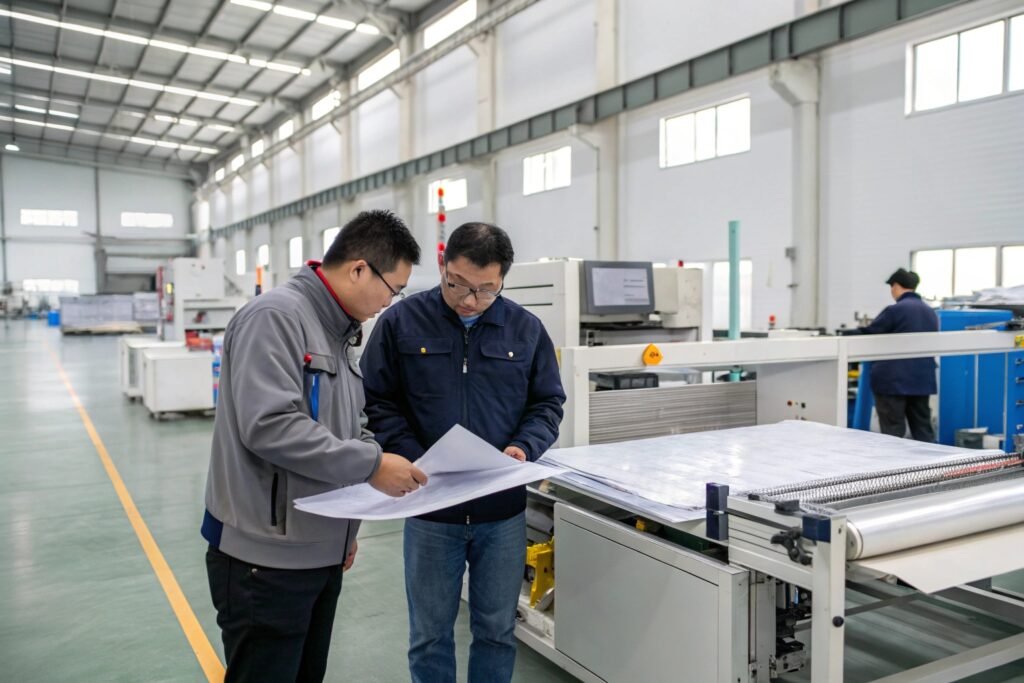
Which Models Offer the Best Combination of Speed, Accuracy, and Reliability?
The best roll-to-sheet cutting machines balance production speed, cutting precision, automation features, and long-term reliability. Buyers should evaluate machines based on material compatibility, output requirements, automation level, and ease of operation rather than speed alone.
Quick Comparison of Top Roll-to-Sheet Cutting Machines
| Machine Model | Best For | Strengths |
|---|---|---|
| GEMfix XC | High-Speed Production | Fast and accurate cutting |
| Easty PRS | Industrial Converting | Precision and efficiency |
| ColDesi Automatic Cutter | Repeatable Production | Programmable operation |
| LTG-360 | Small Industrial Operations | Compact and affordable |
| Desktop Roll Cutter | Narrow Roll Applications | Flexible low-volume cutting |
Each machine serves a different type of production environment.
Let’s examine them in greater detail.
GEMfix XC – Best for High-Speed Industrial Production
The GEMfix XC is often considered one of the leading automatic roll-to-sheet cutting solutions for manufacturers that prioritize productivity and precision.
Its design focuses on handling large production volumes while maintaining consistent cut quality.
Key Advantages
High Production Speed
The machine is designed for demanding industrial environments.
Strong Accuracy Performance
Length consistency remains stable even during long production runs.
Automated Operation
Operators can program cutting jobs and repeat them efficiently.
Ideal Applications
| Application | Suitability |
|---|---|
| Packaging Materials | Excellent |
| Film Processing | Excellent |
| Paper Converting | Excellent |
| Label Production | Good |
For companies producing large quantities of sheet products, the GEMfix XC offers an attractive balance of throughput and reliability.
Easty PRS – Best for Precision-Focused Manufacturers
The Easty PRS is positioned as a professional industrial solution for companies that require precise and efficient sheet cutting.
Many converters choose this machine because of its focus on cutting quality and process stability.
Why Buyers Choose Easty PRS
Industrial-Grade Construction
Designed for continuous production environments.
Precision Feeding Systems
Helps maintain consistent cut lengths.
Flexible Material Handling
Supports multiple substrate types.
Suitable Materials
| Material Type | Performance |
|---|---|
| Paper Rolls | Excellent |
| Plastic Films | Excellent |
| Laminated Materials | Good |
| Packaging Substrates | Excellent |
Manufacturers that prioritize quality and repeatability often consider the Easty PRS a strong candidate.
ColDesi Automatic Roll-to-Sheet Cutter – Best for Programmable Production
One major advantage of the ColDesi automatic cutter is its programmable production capability.
Many modern converting operations process multiple product sizes throughout the day. Fast job setup becomes critical.
Key Benefits
Easy Programming
Operators can quickly enter cutting specifications.
Repeatable Production
Stored settings reduce setup errors.
Reduced Operator Dependency
Results become more consistent across shifts.
Productivity Features
| Feature | Benefit |
|---|---|
| Digital Controls | Faster Setup |
| Programmable Lengths | Better Repeatability |
| Automated Operation | Lower Labor Requirements |
For businesses processing frequent product changes, programmability can significantly improve efficiency.
LTG-360 – Best for Small Industrial Applications
Not every manufacturer requires a large production system.
Many small and medium-sized businesses need reliable automation without investing in high-capacity equipment.
The LTG-360 serves this market segment effectively.
Advantages of LTG-360
Compact Footprint
Suitable for facilities with limited floor space.
Automated Cutting Functions
Provides automation benefits without excessive complexity.
Cost-Effective Investment
Lower entry cost compared with larger industrial systems.
Best Applications
| Production Environment | Suitability |
|---|---|
| Small Manufacturers | Excellent |
| Prototype Production | Good |
| Specialty Materials | Good |
| Limited Production Runs | Excellent |
This machine offers an attractive solution for businesses beginning their automation journey.
Desktop Roll Cutters – Best for Narrow Roll and Low-Volume Production
Desktop roll cutters fill an important niche in the market.
While they are not designed for high-volume industrial production, they provide flexibility for smaller jobs and narrow-width materials.
Typical Benefits
Lower Investment Cost
Suitable for smaller operations.
Compact Design
Requires minimal installation space.
Simple Operation
Easy for operators to learn.
Common Uses
| Application | Suitability |
|---|---|
| Narrow Rolls | Excellent |
| Sample Production | Excellent |
| Low-Volume Orders | Excellent |
| Industrial Mass Production | Limited |
Desktop systems work well for companies that prioritize flexibility over maximum throughput.
What Features Should Industrial Buyers Prioritize?
Selecting a machine based solely on brand name or speed specification can be risky.
The best buyers focus on application requirements first.
Most Important Evaluation Factors
| Factor | Why It Matters |
|---|---|
| Material Type | Determines machine compatibility |
| Cutting Width | Influences production flexibility |
| Output Speed | Impacts productivity |
| Accuracy | Affects product quality |
| Automation Level | Reduces labor requirements |
| Maintenance Requirements | Impacts operating costs |
The machine should fit the production process, not the other way around.
Why Automatic Counting and Stacking Matter
Many buyers focus only on the cutting section.
However, downstream automation can dramatically improve efficiency.
Benefits of Automatic Counting
Reduced Labor
Manual counting becomes unnecessary.
Better Inventory Control
Production quantities remain accurate.
Improved Workflow
Finished products move faster through production.
Benefits of Automatic Stacking
| Manual Process | Automated Process |
|---|---|
| Labor Intensive | Labor Efficient |
| Inconsistent Stacks | Uniform Stacks |
| Slower Production | Higher Throughput |
For high-volume operations, these features often deliver substantial productivity improvements.
Edge Trimming and Waste Removal Improve Production Efficiency
Clean production environments improve quality and reduce downtime.
Machines equipped with edge trimming and waste removal systems provide several advantages.
Key Benefits
Cleaner Finished Sheets
Improved product appearance.
Reduced Scrap Handling
Operators spend less time managing waste.
Better Machine Efficiency
Production interruptions become less frequent.
Productivity Impact
| Feature | Benefit |
|---|---|
| Edge Trimming | Better Sheet Quality |
| Waste Removal | Cleaner Production Area |
| Scrap Collection | Lower Labor Requirements |
These functions become increasingly valuable as production volumes increase.
The Best Machine Is Not Always the Fastest
One common mistake buyers make is focusing exclusively on speed.
High speed only creates value when accuracy and reliability remain stable.
True Performance Formula
Productivity = Speed × Accuracy × ReliabilityA machine producing slightly fewer sheets per hour but delivering higher quality and lower downtime often generates greater long-term profitability.
What Top-Selling Machines Have in Common
| Characteristic | Importance |
|---|---|
| Consistent Accuracy | Very High |
| Easy Job Setup | Very High |
| Reliable Components | Very High |
| Automation Features | High |
| Maintenance Accessibility | High |
The most successful machines typically excel across multiple categories rather than dominating a single specification.
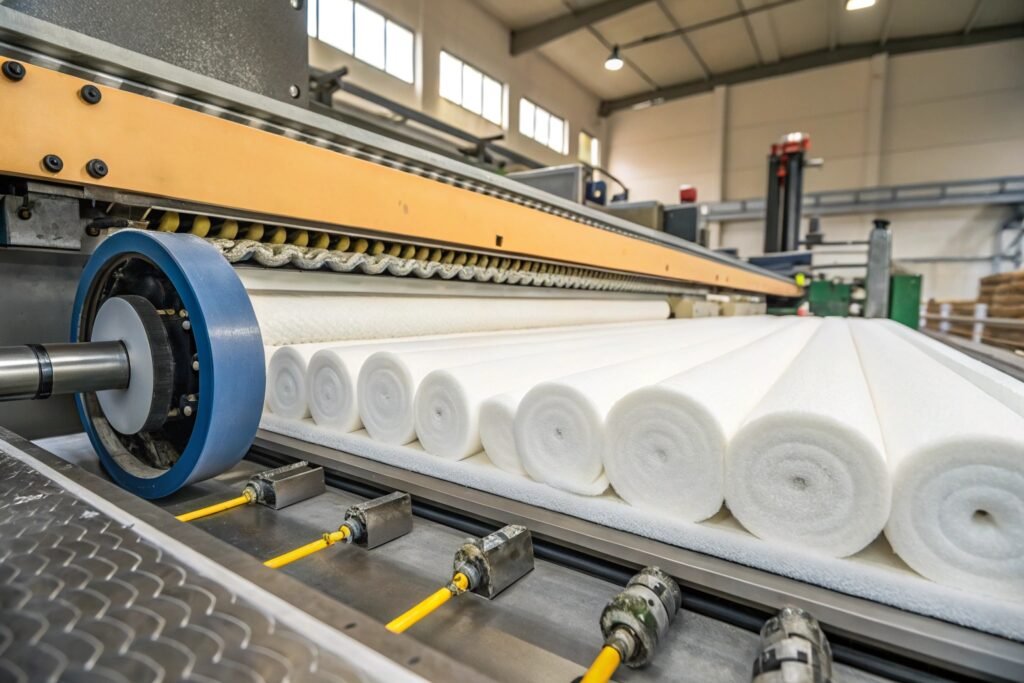
How Industrial Buyers Can Choose the Right Machine
Before requesting quotations, buyers should answer several key questions.
Evaluation Checklist
What materials will be processed?
Paper, film, foam, labels, webbing, or laminates?
What sheet sizes are required?
Different applications need different cutting configurations.
What production volume is expected?
Capacity requirements affect machine selection.
How much automation is needed?
Labor availability often influences this decision.
What level of accuracy is required?
Some industries require tighter tolerances than others.
By clearly defining production requirements, buyers can avoid investing in equipment that is either oversized or insufficient.
Conclusion
Several excellent automatic roll-to-sheet cutting machines are available for industrial buyers. The GEMfix XC, Easty PRS, ColDesi Automatic Cutter, LTG-360, and Desktop Roll Cutters each serve different production needs.
The ideal machine depends on material type, production volume, automation requirements, and quality expectations.
Rather than focusing solely on speed, buyers should evaluate the complete package of accuracy, reliability, ease of operation, and long-term productivity.
The most successful investments are typically the machines that balance all these factors while supporting future business growth.
Insights: Why HAOXINHE Helps Industrial Buyers Find the Right Cutting Solution
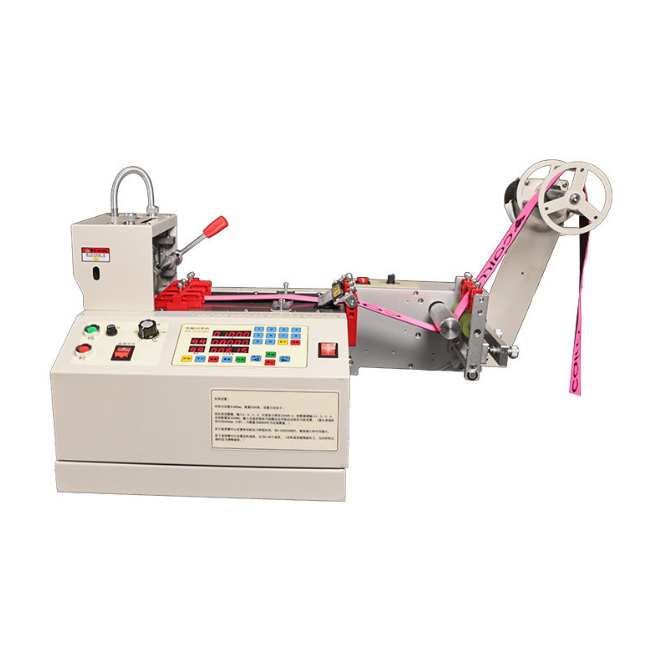
At HAOXINHE, we understand that every manufacturer has unique production requirements. Some customers prioritize speed, while others focus on accuracy, automation, or material flexibility. That is why we offer a wide range of automated cutting solutions designed for different industries and production environments.
HAOXINHE Product Portfolio
- Webbing Tape Cutting Machine
- Hot and Cold Cutting Machine
- High-Speed Trademark Cutting Machine
- Automatic Punching Cutting Machine
- Round Shape Cutting Machine
- Rotary Bevel Cutting Machine
- Different Shapes Cutting Machine
- Computer Tube Cutting Machine
- Wire Cutting and Stripping Machine
- Metal Pipe Cutting and Beveling Machine
- Webbing Ribbon Cutting Machine
- Bubble Wrap Cutting Machine
- PVC Edge Banding Cutting Machine
- Protective Foam Cutting Machine
HAOXINHE Equipment Advantages
| Feature | Customer Benefit |
|---|---|
| Servo-Controlled Feeding | Higher Accuracy |
| Automatic Counting | Improved Productivity |
| Programmable Controls | Faster Job Setup |
| Multi-Material Compatibility | Greater Flexibility |
| Durable Construction | Long Service Life |
| Customization Options | Better Application Fit |
My Personal Experience as the Owner of HAOXINHE
As the owner of HAOXINHE, I often receive inquiries from buyers asking me a simple question: "Which machine is the best?" My answer is always the same—the best machine depends on your production goals.
Over the years, I have worked with packaging companies in Germany, label manufacturers in Italy, foam processors in Canada, and textile accessory producers in Southeast Asia. Many of them initially focused only on machine speed. However, after discussing their actual production requirements, we often discovered that accuracy, automation level, material compatibility, and ease of setup were even more important than maximum output.
I remember one customer who wanted the fastest machine available for cutting foam materials. After reviewing his application, we recommended a configuration optimized for stability and edge quality rather than raw speed. Several months later, he told us that product quality improved significantly and scrap rates dropped by more than he expected.
This experience has taught me that successful machine selection is about finding the right balance. At HAOXINHE, we do not simply sell machines. We help customers identify the cutting solution that best fits their materials, production targets, and long-term business goals. That approach has helped us build lasting partnerships with customers across Europe, North America, and Asia.